 The Hero
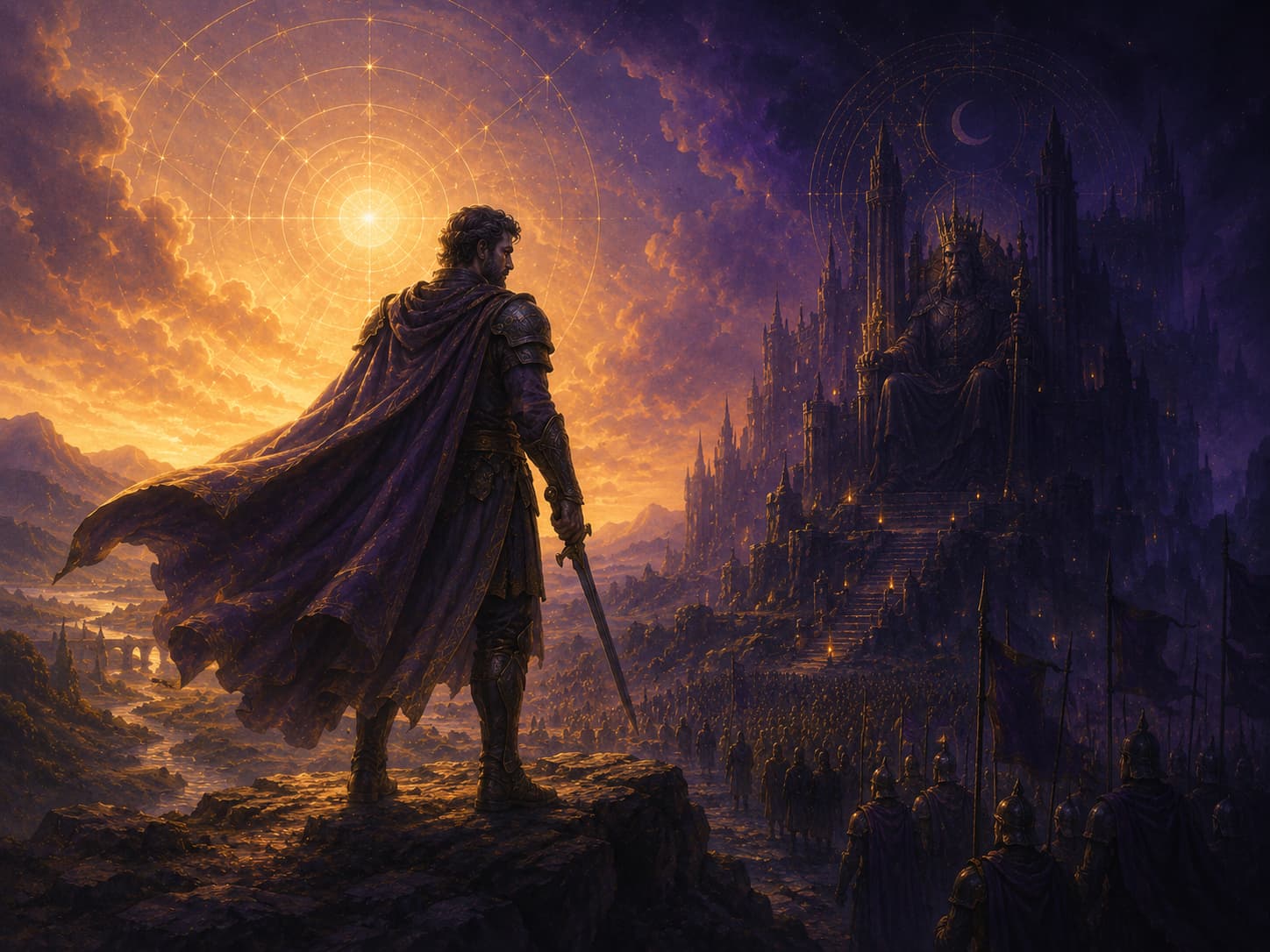
We celebrate the Hero: courage, determination, the willingness to take on what others avoid. Films, books, and myths are built on it. The Hero gets things done. The Hero protects. The Hero wins.
Which is why the Hero's shadow is so hard to see — and so dangerous when it arrives.
How the Shadow Forms
The Hero's identity is forged in challenge. This means that without challenges, the Hero has no way to confirm their own worth. So they unconsciously generate challenges, escalate stakes, and resist completion — because arriving means no longer becoming.
More critically: the Hero learns that strength solves problems. It usually does. Until it doesn't. And when the Hero's most reliable tool stops working — when the problem is vulnerability, loss, or uncertainty that cannot be overcome by effort — they often push harder rather than adapt.
The Line Between Hero and Tyrant
The Tyrant is not a different person than the Hero. It's the Hero in a context where:
- Their authority is being contested
- Their methods are failing but feel too central to abandon
- They've started equating compliance with respect
- They've begun protecting their position instead of the people they started out protecting
Signs You're Running the Tyrant Program
You keep score of who owes you what. You're harder on others' mistakes than your own. You've started resenting people who don't perform at your standard. The team is producing results — but the energy in the room is fear, not motivation.
The Path Back
The Hero can return from the Tyrant shadow, but only by doing the one thing that feels most threatening: asking for help. Acknowledging limitation. Staying in a difficulty instead of overcoming it immediately.
The paradox: the Hero who can be vulnerable is more powerful than the Hero who cannot.