 The Sage

Cynicism presents as realism. It speaks in facts, past evidence, and reasonable expectations. It says: I've seen how this goes. I know better than to hope.
And it's often right. The Cynic got that way because something didn't work out. Probably several things.
The Origin Story
The Cynic was hurt. Maybe once, very badly. Maybe many times, incrementally. They invested — in a person, an idea, an institution, a future — and were proven wrong. They were laughed at for their optimism. They were the last to figure out what everyone else supposedly already knew.
And they decided: never again.
Not never again that specific situation. Never again that feeling of naive exposure. And so they built the armor of not caring, not hoping, not investing — and put it on so gradually they forgot they were wearing it.
What It Costs You
The Cynic's protection strategy has collateral damage. When you commit to not being disappointed, you also commit to:
- Not being surprised by good things
- Not being moved by what's actually beautiful
- Not allowing people to show you who they actually are
- Not starting things that might matter
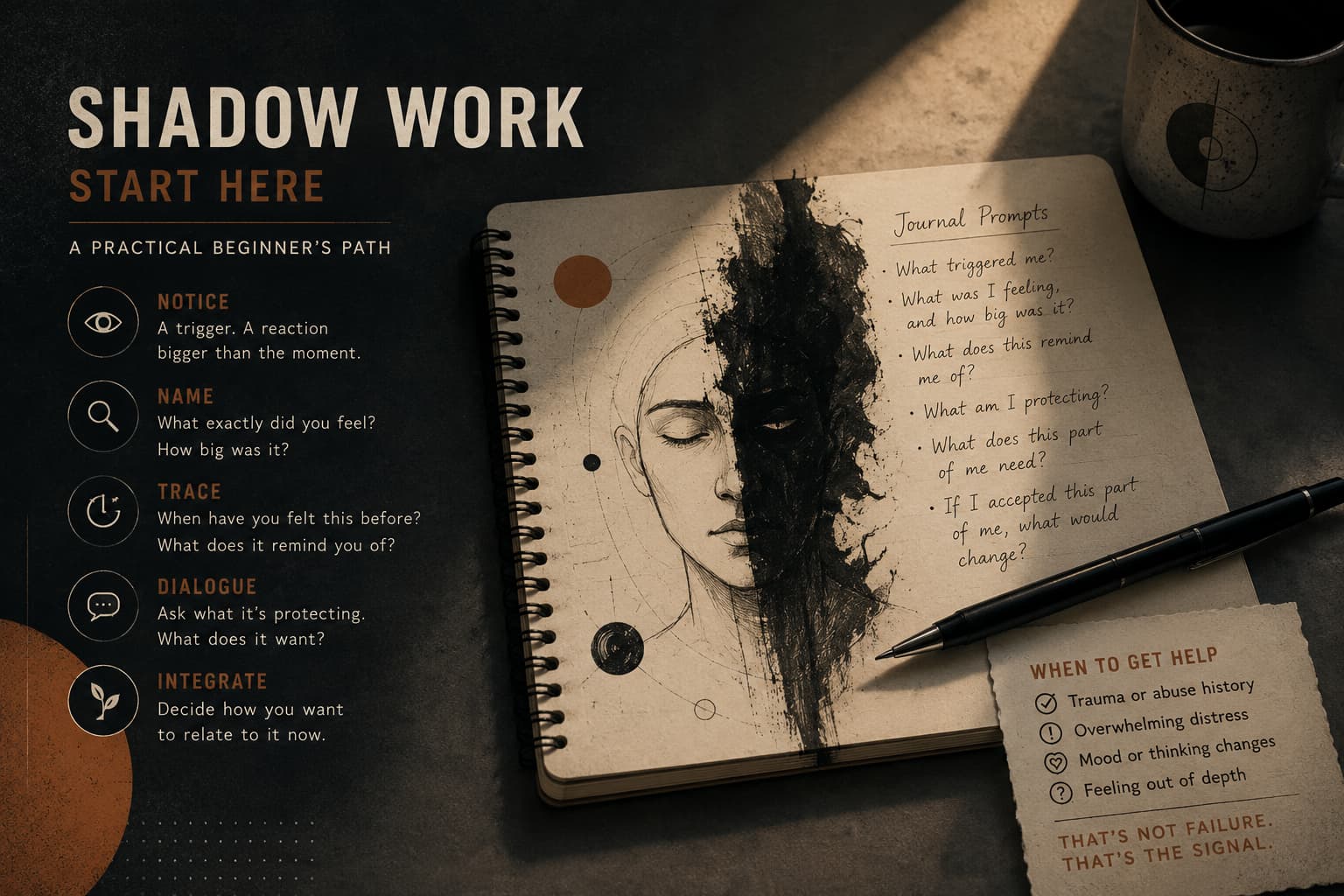
The Shadow Work Question
The Cynic doesn't respond well to challenges. Pin them down on their pessimism and they produce more evidence. But there's a softer question available: What did you used to believe that you no longer let yourself believe?
Somewhere under the hardened exterior is the wound that started all of this. And under that wound is the original hope — still alive, still wanting something, still there.